How did the British Manage to Rule Large India with Only a Few Soldiers?

It was a time that Mount Everest was getting its name, the British were very much in control of almost the whole subcontinent. The territories that were not directly ruled by the British was managed through one-sided treaties with the remaining local princes. But how did the British manage to rule large India with only a few soldiers?
A single power controlling such a large part of the Indian Subcontinent
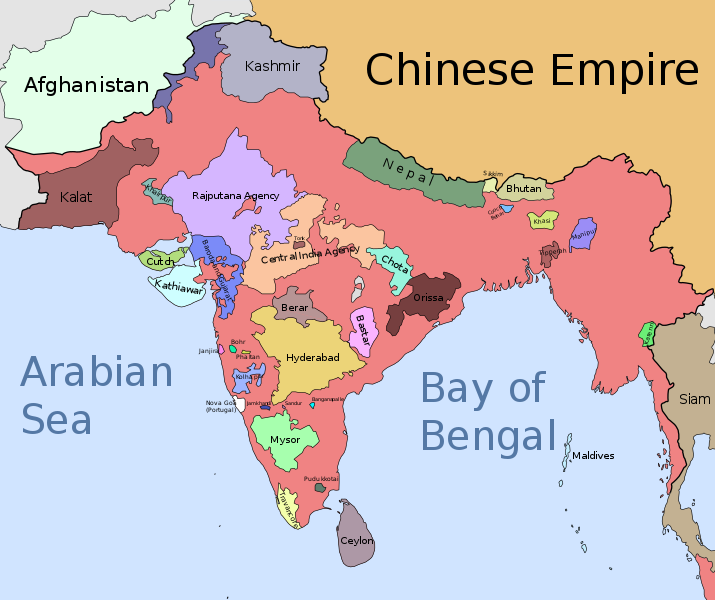
Not since the Mauryas had such a large part of the subcontinent been controlled by a single power. How did the British succeed where earlier European powers had failed?
Was it the technology advantage? No!
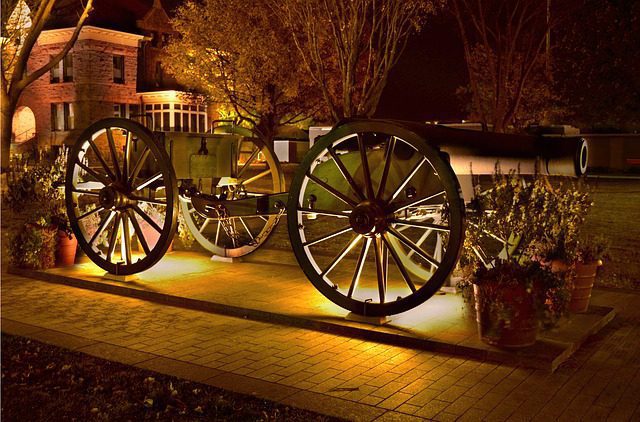
The technological advantage was important but may not have been the deciding factor. Unlike in the Americas, Africa or Australia, the technological gap between the Europeans and the locals was not so large as to be able to neutralize a very large numerical superiority, in fact far from it.
In many instances, there were European mercenaries and allies fighting on the Indian side. Yet, the British were repeatedly able to beat off much larger armies and then maintain control with a tiny number of officials. Why?
A conquest with a tiny army, getting local support
What is most striking about the British conquest of India is that so few British were involved. The armies of the East India Company were mostly made up of Indian sepoys (soldiers).
Moreover, in many cases, the British received encouragement and support from the locals. For instance, at the Battle of Plassey, Robert Clive was funded and encouraged by the merchants of Bengal.
Some historians tend to see this as proof that Indians did not have any sense of nationhood until the nineteenth century. However, many studies have shown, Indians have had a very strong sense of being a civilization for millennia. Then why did the Indians not oppose British rule more aggressively?
Lack of order and chaos
To find our the real for this is to look at the fact that the collapse of the Mughal Empire in the eighteenth century had left the country in chaos. The Marathas, after showing some initial promise, had dissolved into their internal fighting.
The countryside was plagued with mercenaries and bandits of every description. Some of these privateer warlords, like Begum Samroo, became so powerful and rich that they lived openly and in style in Delhi and were considered respectable members of society.
The East India Company was far from benign but, in comparison, did offer some semblance of order.
Not interfering with local culture and social norms
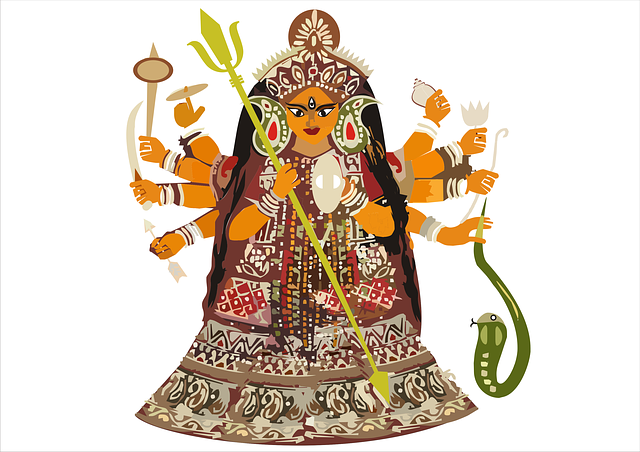
There is an important additional factor. Unlike the Portuguese, the early British rulers conspicuously kept away from interfering with local culture and social norms. Even in the few instances where they did intervene, as in the abolition of the despicable custom of Sati, it was done with the strong support of reformist Indians.
This is why they would not have appeared as a civilizational threat to the contemporary Indian. It is not usually remembered that after his great victory at Plassey, Robert Clive did not offer thanksgiving at a church but at a Durga Puja organized by Nabakrishna Deb in Kolkata. One cannot picture Pedro Alvarez Cabral doing this.
Change of heart
Unfortunately, by the mid-nineteenth century, this open attitude had changed and we see growing cultural and racial arrogance. There is a distinct emphasis on ‘civilizing’, often meaning Christianizing, the natives.
This was no secret but openly discussed. James Mill, the author of The History of British India (1820), described Hinduism as ‘the most enormous and tormenting superstition that ever harassed and degraded any portion of mankind’.
7 Evangelical missionaries began using British political control to aggressively seek converts. Not surprisingly, Indians—both Hindu and Muslim—looked on all this with suspicion. However it was too late, the British were all over them. You may also like to read History of India Timeline.


