Holi Festival of Colors India 2024, Know All About the Festival and Celebration

Holi is a magnificent festival of colors in India and for Hindus across the globe, that will be celebrated on Mon, 25 March this year, with a vigor that will be unmatched.
Many people wonder if there is any other festival in the world that is celebrated with so much color, intensity, bonding, and group participation like the Holi. All festivals are special because they represent the human spirit, culture, and civilization.
Holi is among the most famous festivals in India and it is visually very appealing due to the way it is celebrated — with colors and utmost enthusiasm.
This is the complete festival guide for Holi where everything about the festival is described.
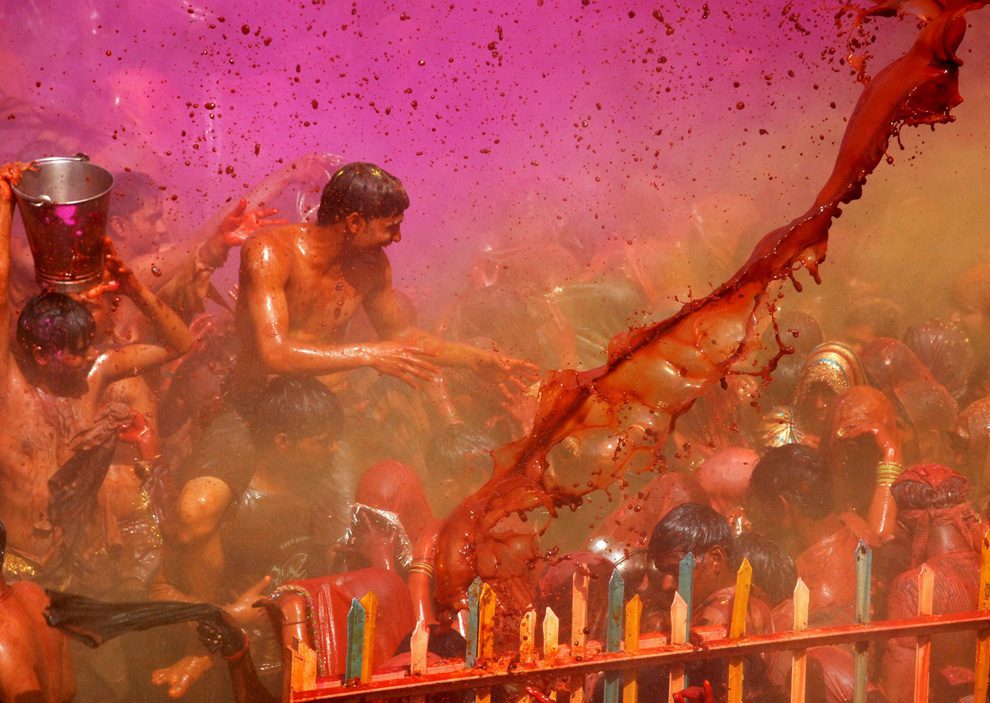
While there are some other amazing festivals and cultural celebrations across the world, Holi still stands out among them.
You May Also Like: 10 Amazing places to Celebrate Holi in India
Why is Holi Celebrated?
Like many other Indian festivals, the Holi festival also signifies the victory of good over evil and has an ancient story attached to it.
According to Bhagavata Purana, King Hiranyakashipu — the king of the demonic Asuras kingdom, who could neither be killed by a man nor an animal — grew arrogant and demanded that everybody should worship him as a god.
He had managed to gain these magical powers by performing a penance for Lord Brahma.
His name literally translates to “clothed in gold”, and is often interpreted as depicting one who is fond of wealth.
The king’s son, Prahlada, however, disagreed to worship him and preferred to remain devoted to Vishnu.
You May Also Like: 10 Amazing Facts About Holi the Indian Festival of Colors
Hiranyakashipu was infuriated and subjected his son to cruel punishments. Finally, Holika, the king’s sister, tricked him into sitting on a pyre with her.
While Holika protected herself with a cloak, Prahlada remained exposed. As the fire blazed, the cloak flew from Holika’s body and encased Prahlada, thus saving his life.
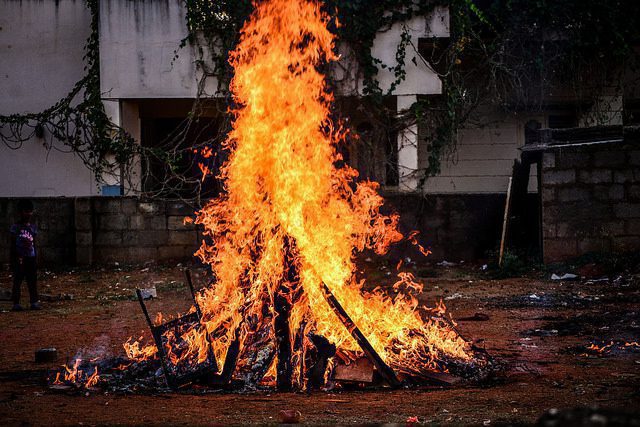
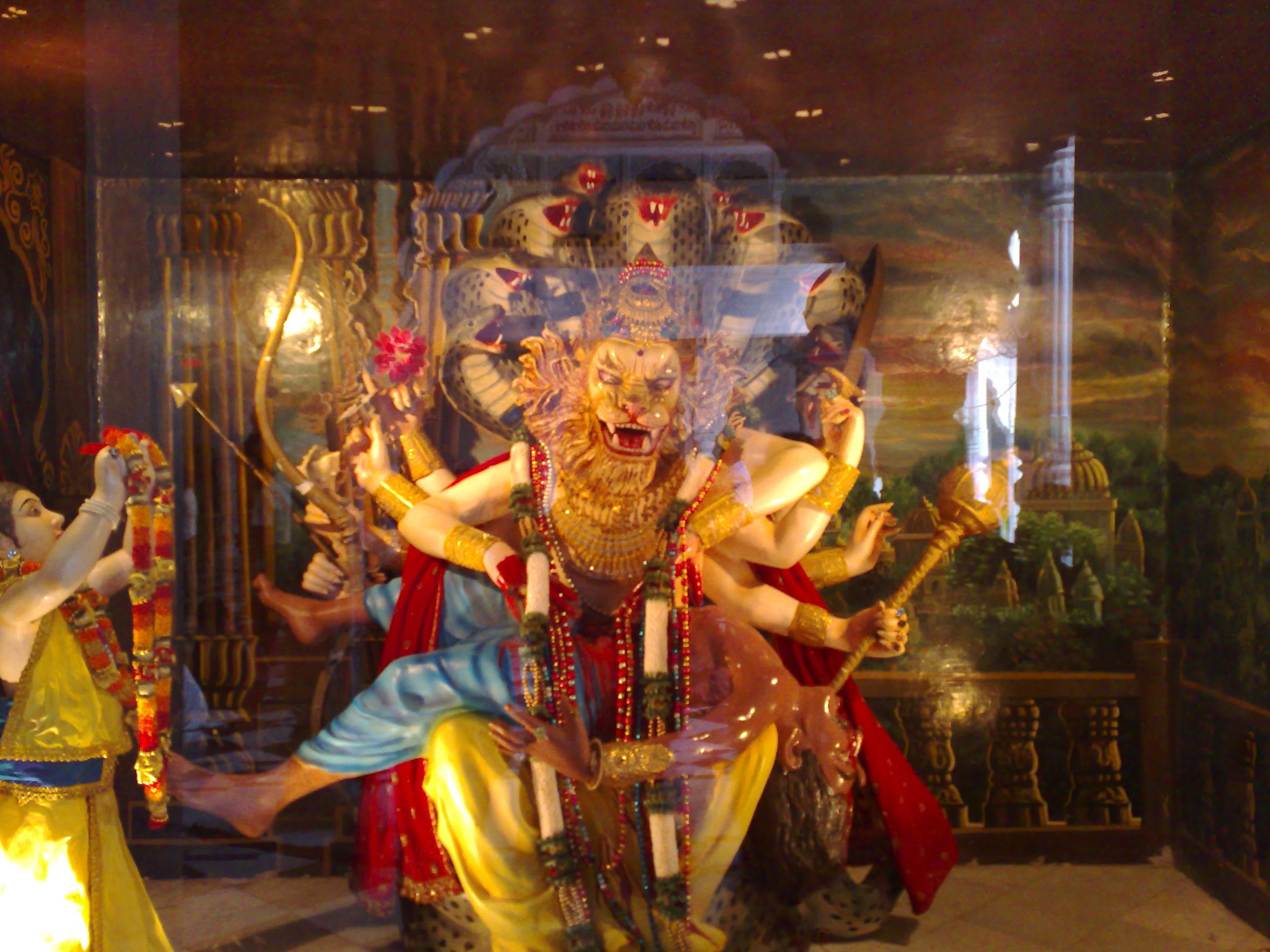
Later, Lord Vishnu pleased with his devotion appeared in the avatar of Narasimha, half man, and half lion, and killed the king. This is why Holi begins with the Holika bonfire, which marks the end of evil.
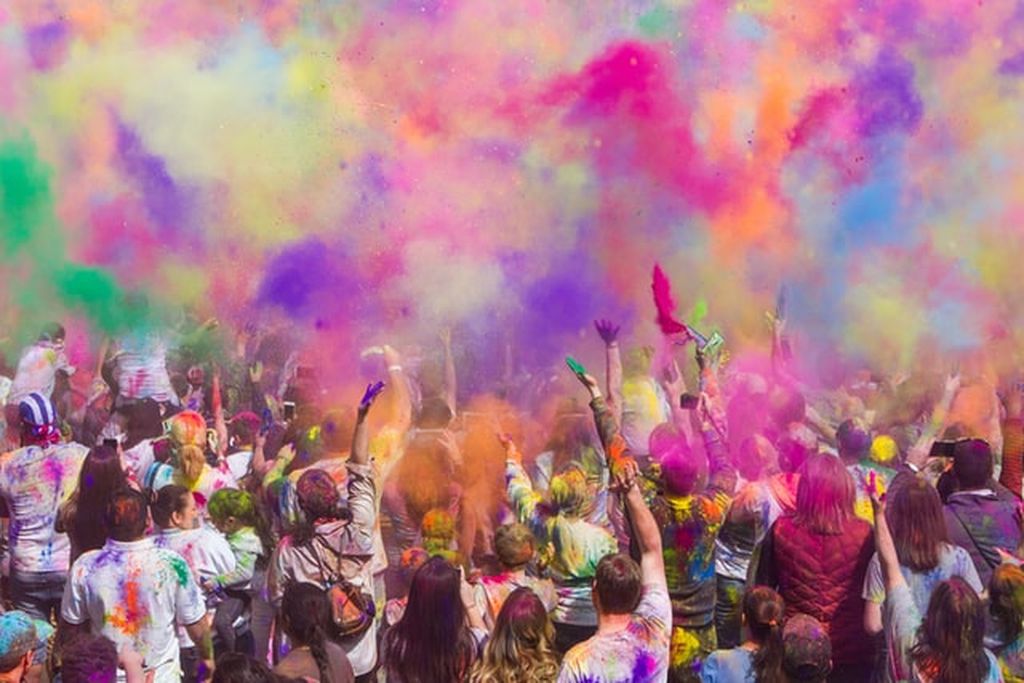
Apart from the legend, they also celebrate the arrival of spring, the end of winter, and for many, an occasion to socialize, meet others, play and laugh, forget and forgive, and repair broken relationships.
Holi celebrations actually begin a night before the festival Holi with a ritual of Holika Dahan where people gather and perform religious rituals in front of a pyre of burning wood, a big bonfire for some. Prayers for destroying inner evils are read out and self-promised.
See our list of 10 Must buy items for Holi
Ancient India and evidence of Holi Celebration
Long before water balloons and ‘Pichkaaris’ (water gun), Holi was an Indian festival that transpired to become one of the most amusing festivals in the world.
Holi has detailed descriptions in ancient texts like the Narad Purana and Bhavishyad Purana (3rd century AD). The festival of “Holikotsav” was also mentioned in the 7th-century work, Ratnavali, by King Harsha.
A stone inscription dated back to 300 BC, excavated at Ramgarh in Vindhya province, finds Holikotsav’s reference to it.
The festival also finds its place in the sculptures on old shrines’ walls. A mural sculpted in a shrine at Hampi (now in Karnataka), the capital city of Vijayanagar, a South Indian province, depicts a scene of Holikotsav.
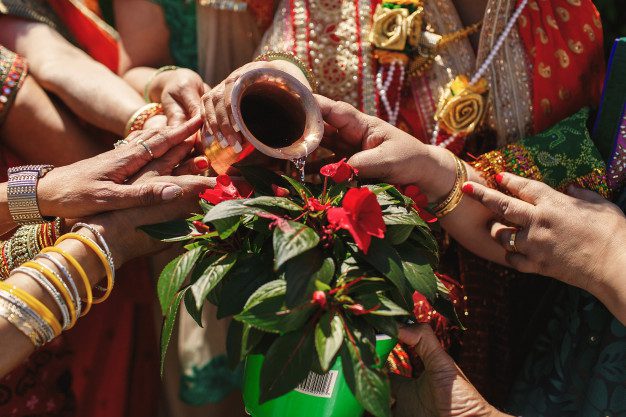
A painting in Ahmednagar which was sculpted before the 16th century also depicts the Holi celebrations, people spraying colors on each other. Some other paintings and murals such as a painting in Mewar depict the King with his courtiers celebrating Holi.
Ancient Hindu scriptures, Purvamimamsa-Sutras, and Kathaka-Grhya-Sutras written by Jaimini explained the history, legend, stories, and significance of the Holi festival.
There is some evidence that Holi was celebrated by Aryans in the early Vedic Civilization and even late Indus Valley Civilization.
One Other legend behind the origin of Holi is that Lord Krishna as a baby was poisoned by the breast milk of Putana (demoness) and thus he developed the characteristic blue color of his skin.
Also read: Is Mahabharata the real history?
Krishna was not sure if fair-skinned Radha and other girls would like him. Thus he approached Radha and colored her face in some colors.
Radha the love interest of Krishna, accepted him despite the blue color of his skin and from that day the festival of Holi is celebrated with colors.
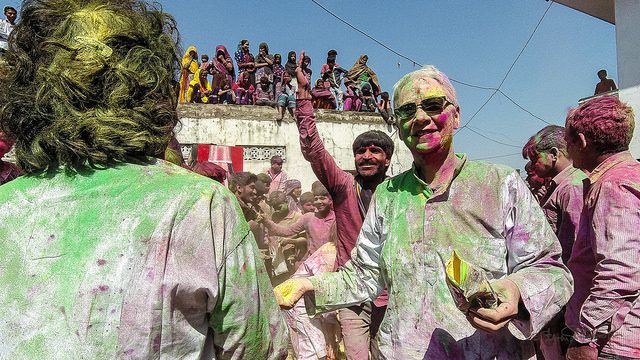
A Celebration of Colors
The next morning is celebrated as the amazing Holi of colors as we know it. A free-for-all festival of colors, where people smear each other with colors and drench each other.
Water guns and water-filled balloons are also used to play and color each other. Anyone and everyone is fair game, friend or stranger, rich or poor, man or woman, children, and elders.
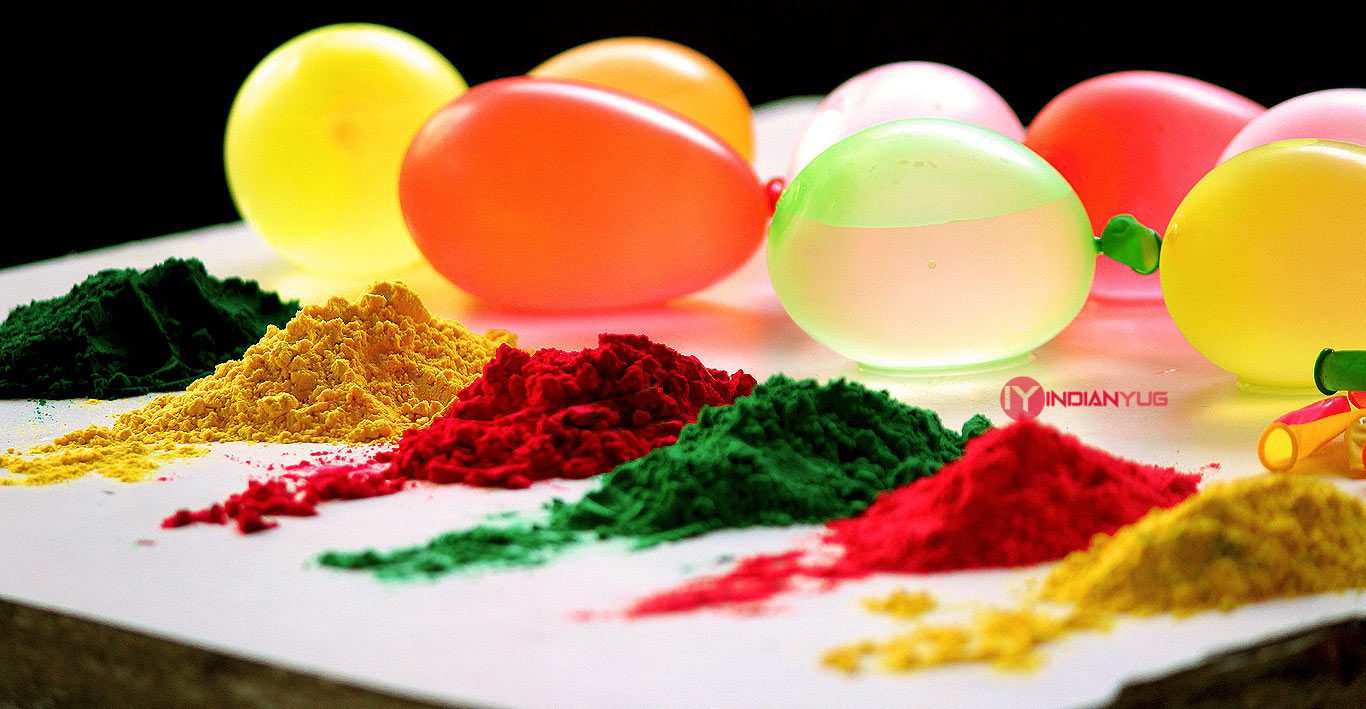
In 2021, Holi Festival will be celebrated on 29th March, with Holika Dahan on 28th March
The frolic and fight with colors occur in the open streets, open parks, outside temples, and buildings. Groups carry drums and other musical instruments, go from place to place, sing and dance.
People visit family, friends, and even foes to throw colored powders on each other, they celebrate, laugh, and gossip, then share Holi delicacies, food, and drinks.
Interestingly some of the customary drinks include bhang (marijuana), and is perfectly legal to do so! In the evening, after sobering up, people dress up and visit friends and family. It is often also customary to buy a new dress on the occasion of Holi for the whole family.
We have our recommended Indian recipe for you on Holi
It lasts for a night and a day, starting on the evening of the Purnima (Full Moon day). The first evening is known as Holika Dahan or Chhoti Holi and the following day as Holi, Rangwali Holi, Dhuleti, Dhulandi, or Phagwah.
What is the colored powder called ‘Rang’ and what is its origin and significance?
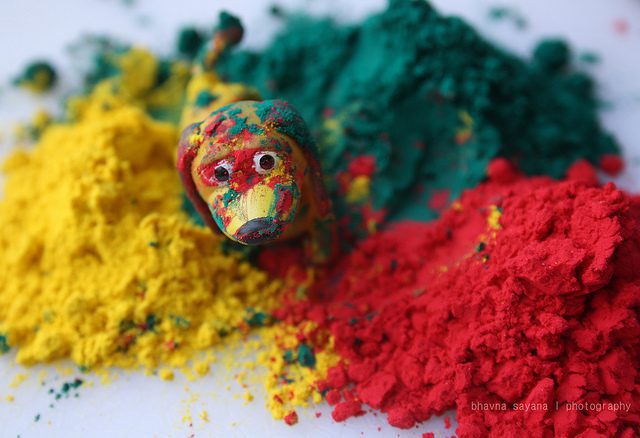
Historically, the ‘Gulal’ was made of turmeric paste, fruits, leaves, and flower extracts. These products being costly were soon replaced by artificial and synthetic colors. Holi is a festival like no other, where the key slogans used are, ‘Bura Na Mano Holi Hai’. Don’t be upset, it’s Holi!
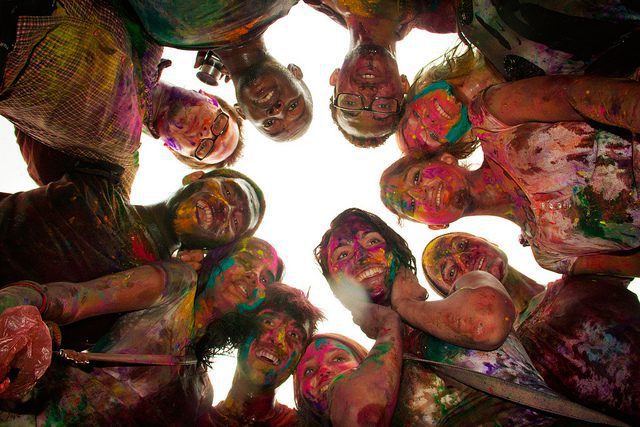
People are soaked in various colors from head to toe including hair and most often do not feel bad about it.
The use of synthetic colors leads to various harmful effects of chemicals. Now again the colors are being replaced by herbal alternatives.
The four main powder colors are used to represent different things. Red reflects love and fertility, blue is the color of Krishna, yellow is the color of turmeric and green signifies spring and a new beginning.


