Why Southern India Says No to Hindi Imposition: The Real Story

India is a land of many languages, cultures, and traditions. Among its most beautiful features is how each region has its unique identity.
Language is one of the strongest parts of that identity. While Hindi is spoken by many people in northern India, many southern states have consistently opposed any move to make it mandatory across the country. But why?
Historical Reasons: The Fear of Losing Regional Identity
The Anti-Hindi Agitations of the Past
The resistance to Hindi imposition is not new. Tamil Nadu, in particular, has a long history of opposing Hindi dominance.
- 1937-1940: The first major anti-Hindi protest happened when the then Chief Minister of Madras Presidency, C. Rajagopalachari, made Hindi compulsory in schools. Protesters saw this as an attack on Tamil culture.
- 1965: When the Indian government tried to make Hindi the sole official language, massive protests erupted in Tamil Nadu. Students, politicians, and activists led strikes, and some even set themselves on fire.
- Result: The central government had to step back and pass the Official Languages Act (1967), ensuring English would continue as an official language along with Hindi.
Let’s understand why states like Tamil Nadu, Karnataka, Kerala, Andhra Pradesh, and Telangana strongly resist the imposition of Hindi.
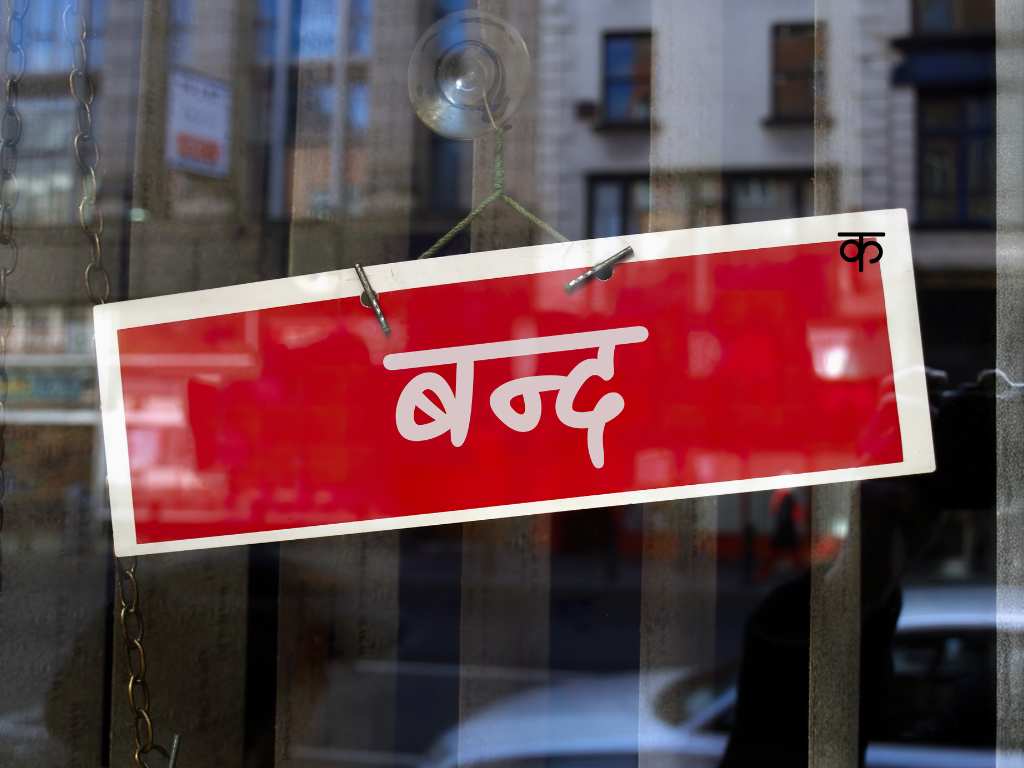
First, let’s clarify what “imposition of Hindi” actually means. It doesn’t mean people are against Hindi as a language. Many in the South watch Hindi movies, enjoy Hindi music, and even speak the language.
The issue forms when Hindi is made compulsory in schools, government exams, or used more than other Indian languages in official communication. This gives the impression that Hindi is being placed above all other languages, which is unfair in a diverse country like India.
Southern states have their own rich and ancient languages—Tamil, Telugu, Kannada, and Malayalam. These are not just languages; they are deeply connected to the region’s history, literature, culture, and pride. For example,
Tamil is one of the oldest living languages in the world, with over 2,000 years of written history. Telugu is widely spoken and admired for its poetic style. Kannada and Malayalam also have their own classical traditions.
Forcing Hindi in schools or administration makes few people feel like their own language and culture are being ignored or pushed aside. It creates fear that their identity may be slowly erased over time. That’s why the idea of making Hindi a “national language” has never been accepted in the South.
Historically, the resistance to Hindi imposition is not new. In the 1930s, there were protests in Tamil Nadu when the then-Madras Presidency tried to make Hindi compulsory in schools. But the biggest protest came in 1965, when the central government planned to make Hindi the only official language of India, replacing English.
People in Tamil Nadu took to the streets, especially students. The protest turned violent in some places, and several people lost their lives. These events left a deep impact and shaped the region’s politics for decades.
As a result of these protests, the central government passed the Official Languages Act in 1963. It assured that English would continue to be used for central government purposes along with Hindi. This was seen as a compromise to keep the peace.
The backlash from Tamil Nadu forced the central government to rethink its policy. Instead of declaring Hindi as the only official language, it agreed to continue using English for official purposes alongside Hindi. This was done through the Official Languages Act of 1963.
This compromise helped calm tensions, but the trust gap remained.
The Three-Language Formula: One Size Doesn’t Fit All
What Is the Three-Language Formula?
The Three-Language Formula was introduced to promote national integration. It suggests that students learn:
• One regional language (like Tamil or Kannada)
• Hindi
• English
But the reality on the ground is very different. In northern states, students often study Hindi, English, and Sanskrit—completely ignoring southern or northeastern languages.
In southern states, adding Hindi means students have to juggle three very different languages, making it extra difficult.
Another reason for opposition is the way the three-language formula works in practice. This policy was meant to help students learn three languages: their regional language, Hindi, and English.
But in northern states, students usually learn Hindi, English, and Sanskrit—ignoring southern languages completely. Meanwhile, in the South, students are asked to learn Hindi even though it’s not spoken locally. This creates extra pressure on them and feels one-sided.
For many in the South, it’s not just about language. It’s also about equality and respect. India is a federal country, where power is shared between the central and state governments. When the Centre pushes one language more than others, it creates a fear that cultural and administrative control is shifting away from the states. Southern leaders have always believed in decentralization and want more power to stay in the hands of local governments.
English, interestingly, is more accepted in the South. It is seen as a neutral language, not belonging to any one region. It is also useful globally, especially in fields like technology, science, and international business.
Cities like Bengaluru, Hyderabad, and Chennai have benefited from English-based education and have grown into global tech hubs. So for many, English is a better link language than Hindi.
The Fear of Cultural Domination
Southern states have rich literary and cultural histories. Tamil, Telugu, Kannada, and Malayalam are ancient languages with their own scripts, literature, and cinema industries.
- People fear that if Hindi becomes compulsory, their mother tongues will lose importance.
- Many believe that Hindi imposition is a way to promote “North Indian dominance” over the South.
India has no national language
There’s also a legal side to the story. Contrary to popular belief, India has no national language. Hindi and English are the two official languages used by the central government, but India officially recognizes 22 scheduled languages. Each state is free to choose its own official language. That’s why Tamil Nadu can refuse to use Hindi in schools or administration—it is their constitutional right.

People in the South are not against Hindi speakers. They are against the idea of making Hindi more important than other languages. They want all Indian languages to be treated equally, with respect and pride. Apparently, they say that their demand is not for special treatment but for fair treatment.
Many believe that In a country as diverse as India, true unity does not come from making everyone speak the same language. It comes from respecting and celebrating the differences. When each community feels that their language and culture matter, they are more likely to feel proud of being Indian.
The resistance to Hindi imposition in southern India is about protecting regional identity, ensuring fair opportunities, and respecting India’s linguistic diversity. Instead of forcing one language, India should celebrate its many languages and cultures.
For true unity, the government must listen to the concerns of southern states and find a balanced approach—one that does not make any community feel left out.
What do you think? Should Hindi be compulsory, or should states have the freedom to choose? Share your views in the comments!


