Jallianwala Bagh-100 Years Ago A Massacre That Changed India

Almost 100 years ago on 13th April 1919 an event that changed the history of India was the Jallianwala Bagh Massacre.
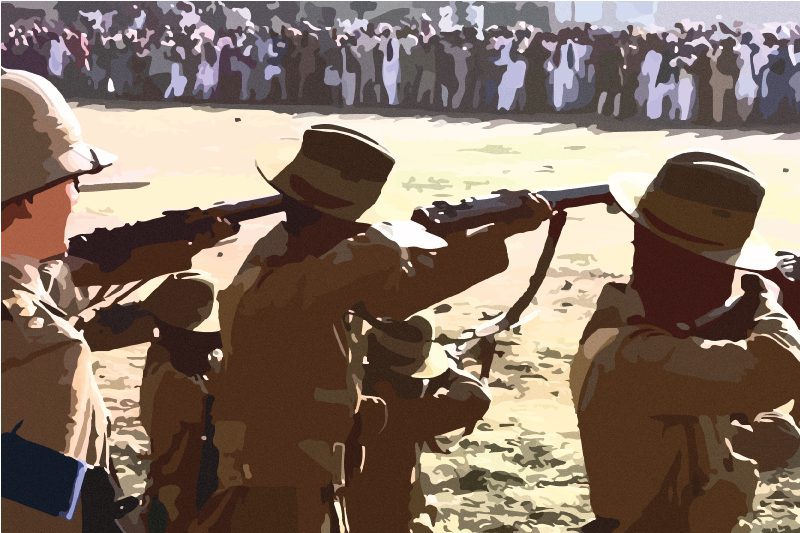
It has often been said that Britain lost its empire the day when, Brigadier-General Reginald Dyer, 55, commanding a regiment of 50 Gurkha and Baluchi riflemen, ordered firing without warning upon an unarmed crowd of over 15,000 Indians.
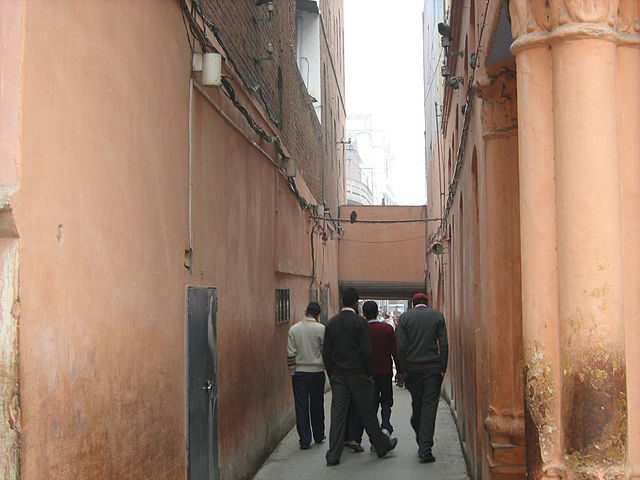
It was a peaceful gathering at an enclosure called the Jallianwala Bagh in Amritsar, a stone’s throw from the Golden Temple.
Events that led to the Massacre

Bullet hole in walls 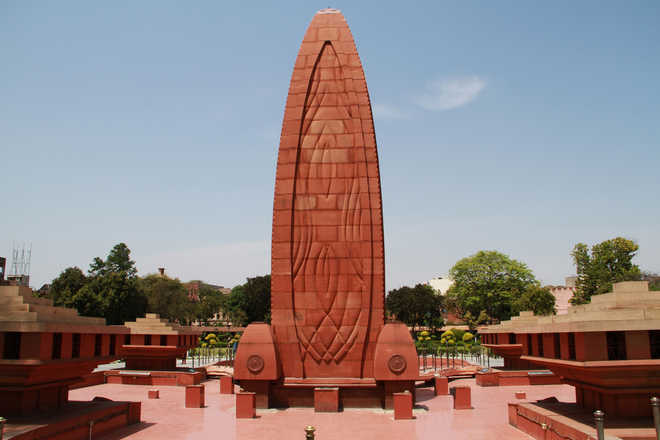
Jallianwala Memorial 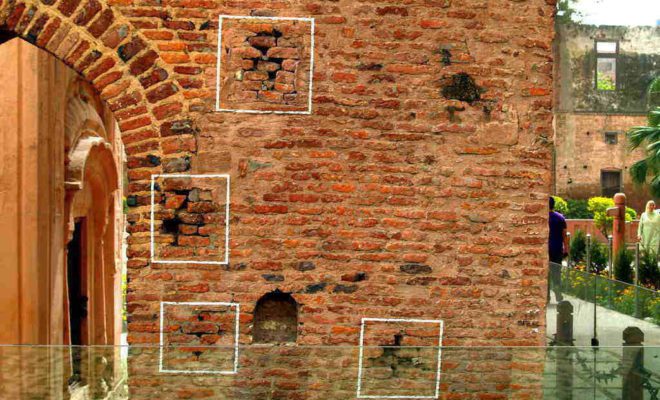
Bullet ridden wall
In 1919 a committee was formed to inquire about the acts of seeking independence from the British colonial rule.
The committee was headed by Justice Rowlatt, who effectively recommended the suspension of civil liberties, commonly known as Rowlatt’s act or The Anarchical and Revolutionary Crimes Act of 1919.
The effectively authorized the government to imprison any person suspected of terrorism living in British India for up to two years without a trial and gave the imperial authorities power to deal with all
The British resort to preventive detention in an attempt to stop nationalist agitation was captured in the headlines of one Lahore newspaper with the phrase, “no
Mahatma Gandhi and his Non-violence, the beginning
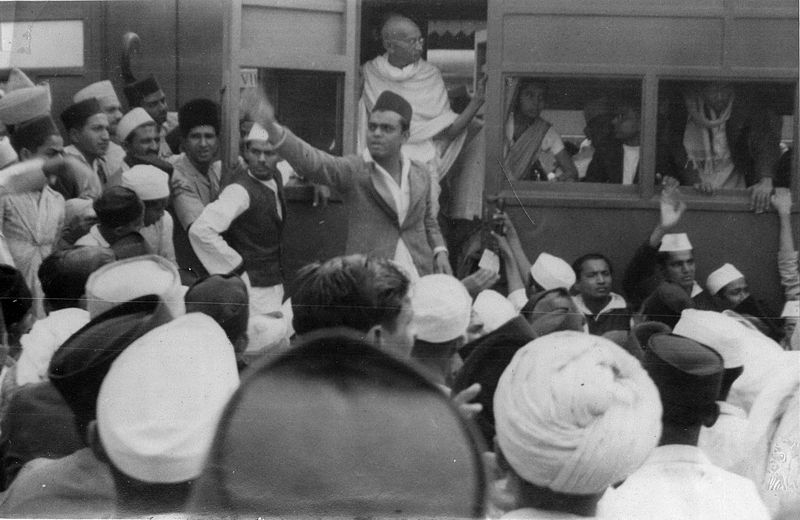
Mohandas Gandhi had returned to India four years ago after 20 years in South Africa.
Mahatma Gandhi, among other Indian leaders, was extremely critical of the Act and argued that not everyone should be punished in response to isolated political crimes.
He responded to the Rowlatt Act with a call to the nation to observe a general ‘Hartal’ (suspending work), with this launching himself into national politics.
“The whole of India from one end to the other, towns as well as villages,” wrote Gandhi in his autobiography, “observed a hartal on that day. It was the most wonderful spectacle.”
In Punjab, however, Lieutenant-Governor Sir Michael O’Dwyer did not take kindly to the slightest expression of defiance of colonial authority and saw the “spectacle” as anything but “wonderful”.
At a meeting of the Legislative Council in Lahore, O’Dwyer ridiculed the “recent puerile demonstrations against the Rowlatt Acts”, describing them as indicative of “how easily the ignorant and credulous people, not one in a thousand of whom knows anything of the measure, can be misled.” The agitators, he ominously warned, “have a day of reckoning in store for them.”
Events before the day of the Jalianwala Masscre
Deputy Commissioner Miles Irving betrayed the fact that truly stoked the anxiety of the British when, in a telegram to O’Dwyer on April 9, he described the Muslims and Hindus of Amritsar as having “united”.
The British responded to this wholly unwelcome show of solidarity with the arrest and expulsion of two local leaders, Dr. Satyapal and Dr. Saifuddin Kitchlew, precipitating large demonstrations.
Twenty Indians died in police firings, in response British-owned banks were attacked by crowds.
However the event that angered the British most was then the assault on an Englishwoman, Marcia Sherwood, she was badly beaten by the mob. But she was by other Indians who saved her while putting themselves at risk.
The white woman was nothing short of sacred, inviolable, ‘untouchable’ to the Indian at that time.
The men of the ruling colonial elite perceived the loss of her dignity as a great insult to them
The day of Jallianwala Bagh Massacre
On Sunday, 13 April 1919, Dyer was convinced of a major insurrection and he banned all meetings; however, this notice was not widely circulated.
It was the day of Baisakhi, the main Sikh festival, and many villagers had gathered in the Bagh.
On hearing that a meeting had assembled at Jallianwala Bagh, Dyer went with Sikh, Gurkha, Baluchi, Rajput troops from 2-9th Gurkhas, the 54th Sikhs and the 59th Sind Rifles.
They entered the garden, blocking the main entrance after them, took up position on a raised bank, and on Dyer’s orders fired on the crowd for about ten minutes, directing their bullets largely towards the few open gates through which people were trying to flee until the ammunition supply was almost exhausted.
Dyer stated that approximately 1,650 rounds had been fired, a number apparently derived by counting empty cartridge cases picked up by the troops and actual numbers were definitely much higher.
Dyer directed his troops to fire wherever the crowd was densest. He did not care that there were innocent women, men, and children. They were all legitimate targets to be eliminated on that day.
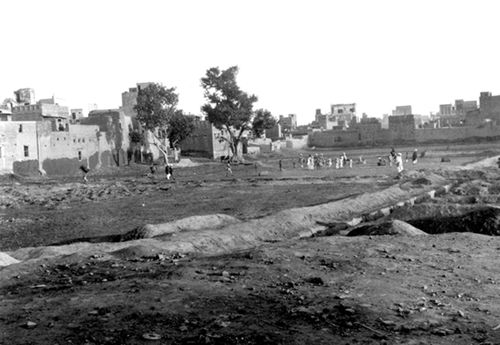
The Jallianwalla Bagh is a public garden of 6 to 7 acres (2.8 ha), walled on all sides, with five entrances.
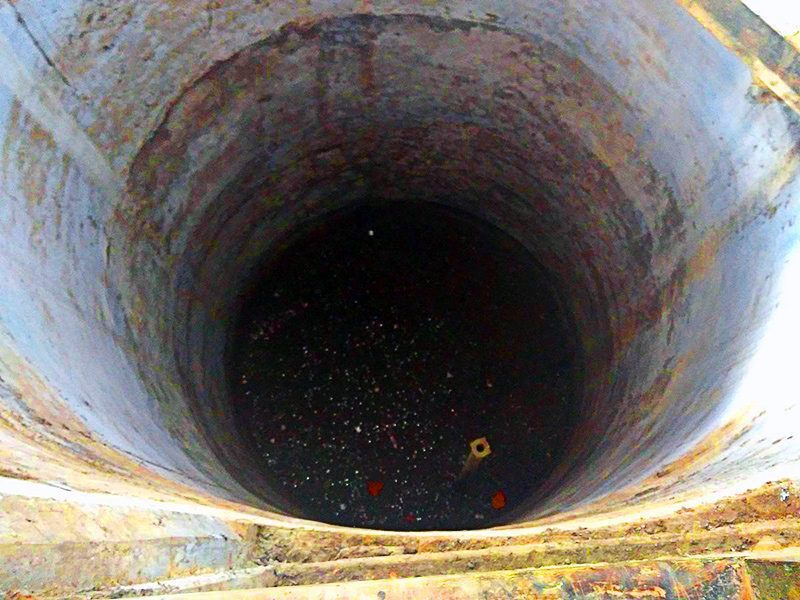
There is a well inside Jallianwala Bagh into which many people including children jumped to save themselves from the firing.
The aftermath of the massacre
This event caused many moderate Indians to abandon their loyalty to the British and become nationalists distrustful of the British.
Colonel Dyer in his report said that “confronted by a revolutionary army”, to which Major General William Beynon replied: “Your action correct and Lieutenant Governor approves.”
However, Both Secretary of State for War at that time, Winston Churchill and former Prime Minister H. H. Asquith, openly condemned the attack.
Churchill referred to it as “monstrous”, while Asquith called it “one of the worst outrages in the whole of our history”.
The actual actions, however, were very limited as there was also some support for the action with the influential circle of British Empire.
On the other hand, there was a huge outrage in India. Rabindranath Tagore renounced his knighthood and there was an increasing call for seeking independence from the British rule.
Avenging Jallianwala: Assassination of Michael O’Dwyer
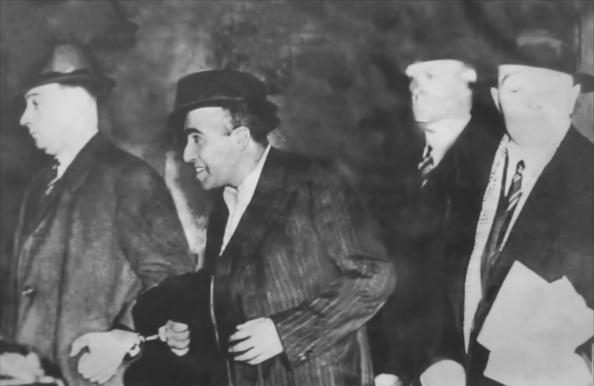
On 13 March 1940, at Caxton Hall in London, Udham Singh, an Indian independence activist from Sunam who had witnessed the events in Amritsar and had himself been wounded, shot and killed Michael O’Dwyer, the Lieutenant-Governor of Punjab at the time of the massacre.
He was believed to be the one who had approved Dyer’s action and main planner.
Udham Singh was caught and faced a death penalty after a two days trial in British court.
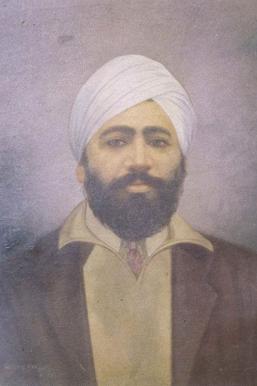
On 31 July 1940, Singh was hanged at Pentonville Prison.
His remains are preserved at the Jallianwala Bagh in Amritsar, Punjab.
On every 31 July, marches are held in Sunam by various organizations and every statue of Singh in the city is paid tribute with flower garlands.
His remains are preserved at the Jallianwala Bagh in Amritsar, Punjab. On every 31 July, marches are held in Sunam by various organizations and every statue of Singh in the city is paid tribute with flower garlands.


